One of the best Pizzas we got. Great variety of beers
Overview
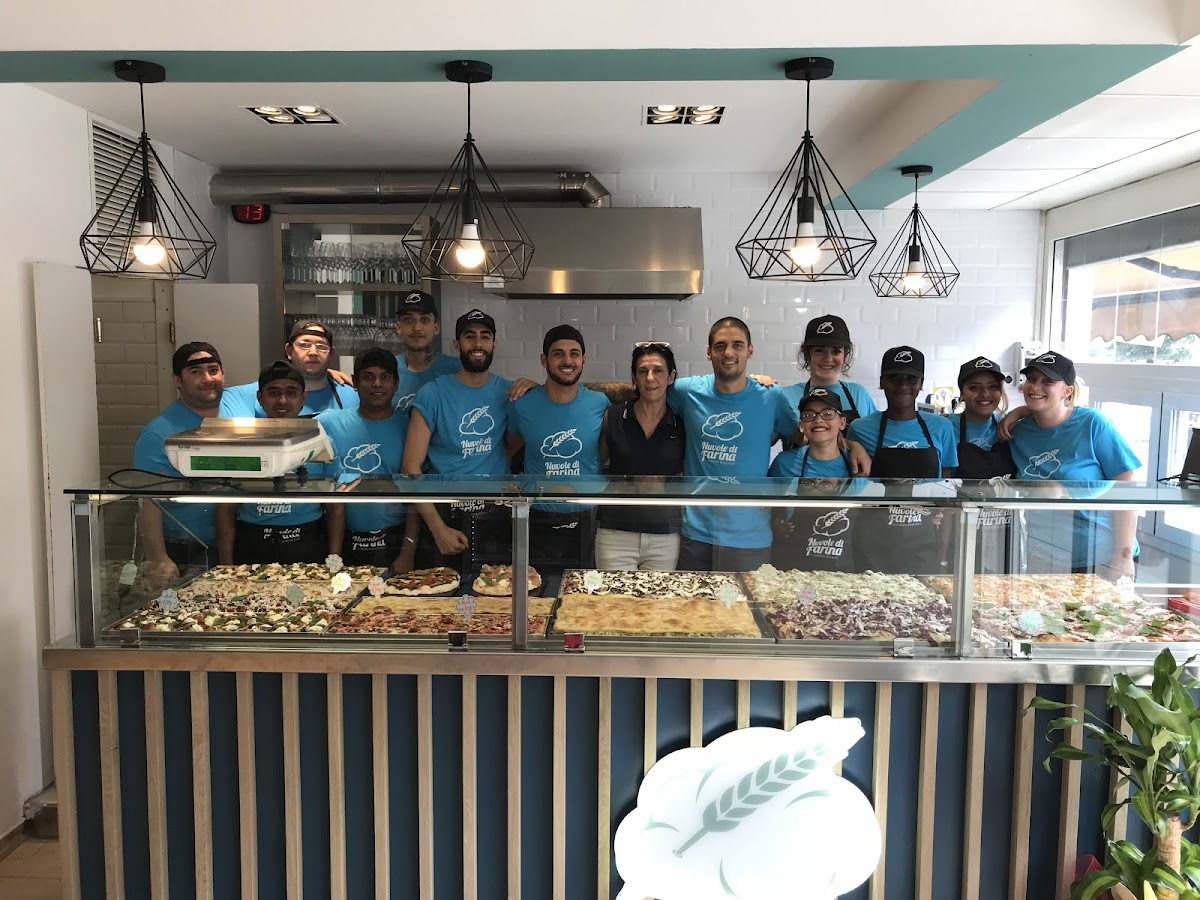
Tucked away at Via Cina, 88, 00144 Roma RM, Italy, Nuvole Di Farina feels like the kind of neighborhood pizzeria you hope to stumble upon but rarely do. Set in the residential heart of the EUR district in Rome, it blends the relaxed pace of local life with the serious craft of traditional Italian baking. I first visited on a recommendation from a Roman friend who insisted this was where pizza is treated with respect, not shortcuts. After several visits, I understand exactly what he meant.
The restaurant sits in the modernist area of EUR district, an area known for its rationalist architecture and wide avenues rather than tourist crowds. That alone gives the experience a different tone. You’re not squeezing past souvenir shops; you’re walking into a place where families, office workers, and long-time residents gather. The dining room is casual and welcoming, with the scent of a wood-fired oven immediately noticeable. That aroma, slightly smoky and warm, sets expectations high.
What stands out most is the dough. According to the staff, the pizza base undergoes a slow fermentation process that can last up to 48 hours. This method isn’t just a trendy talking point. Food science research from organizations like the Italian Society of Food Science highlights that extended fermentation improves digestibility and flavor development. You can taste that difference here. The crust is light, airy, and crisp at the edges while remaining soft inside. It’s the kind of pizza that doesn’t sit heavily, even after you’ve cleaned your plate.
On the menu, classic Roman pizzas sit comfortably alongside more inventive combinations. The Margherita is a solid benchmark, with bright tomato sauce, creamy mozzarella, and fragrant basil. Yet it’s the specialty options that reveal the kitchen’s confidence. One evening, I tried a pizza topped with burrata, speck, and pistachio crumble. The balance between salty and creamy elements was spot on. Another visit introduced me to their calzones, sealed and baked until golden, then sliced open at the table to release a cloud of steam and melted cheese.
Beyond pizza, the menu includes fritti like supplì-crispy rice balls with molten centers-as well as fresh salads and simple desserts. The tiramisu deserves special mention. It avoids excessive sweetness, leaning instead on strong espresso flavor and airy mascarpone cream. This restraint reflects an understanding of traditional Italian dessert principles, where balance matters more than sugar overload.
Service here is informal but knowledgeable. During one conversation, a staff member explained how flour type affects texture, referencing different protein levels and hydration ratios. It’s refreshing to hear clear, confident explanations rather than vague claims about authenticity. Their approach mirrors guidance from respected culinary institutions such as ALMA, the International School of Italian Cuisine, which emphasizes ingredient quality and technique over gimmicks.
Reviews from local diners consistently mention consistency. That’s important. Many restaurants shine once and fade, but Nuvole Di Farina maintains standards. On busy Friday nights, the staff manages the flow efficiently, and wait times remain reasonable. Reservations are a smart idea, especially for larger groups, because word has spread well beyond the immediate neighborhood.
Pricing aligns with the quality offered. In a city where some central locations inflate costs for tourists, this spot feels fair and transparent. You’re paying for craftsmanship, not just a postcode. While menus can evolve seasonally and availability may shift, the core offerings-pizza, fritti, desserts-remain reliable staples.
After multiple visits, what keeps drawing me back isn’t just the food. It’s the overall rhythm of the place. Conversations flow easily, plates arrive hot from the oven, and no one rushes you out the door. In a city celebrated worldwide for its culinary heritage, finding a restaurant that honors tradition while staying grounded in its community is rare. Here, the focus stays where it belongs: on flour, fire, and flavor.
Good to know
Service options
✓ Delivery ✓ Takeaway ✓ Dine-inHighlights
✓ Great coffeePopular for
✓ Lunch ✓ Dinner ✓ Solo diningAccessibility
✓ Wheelchair-accessible car park ✓ Wheelchair-accessible entrance ✓ Wheelchair-accessible seating ✓ Wheelchair-accessible toiletOfferings
✓ Alcohol ✓ Beer ✓ Coffee ✓ Healthy options ✓ Late-night food ✓ Quick bite ✓ Small plates ✓ Vegan options ✓ Vegetarian options ✓ WineDining options
✓ Lunch ✓ Dinner ✓ Dessert ✓ Table serviceAmenities
✓ ToiletAtmosphere
✓ Casual ✓ Cosy ✓ Quiet ✓ TrendyCrowd
✓ GroupsPlanning
✓ Dinner reservations recommended ✓ Accepts reservationsPayments
✓ Credit cards ✓ Debit cards ✓ NFC mobile payments ✓ Credit cardsChildren
✓ Good for kidsParking
✓ Free of charge street parking ✓ Free parking lot ✓ ParkingPets
✓ Dogs allowed ✓ Dogs allowed inside ✓ Dogs allowed outsidePhotos
1 / 4
Location
Reviews
- No ratings yet 702 reviews
It was a really nice experience eating here. I had a beer, ndjua suppli and pepperoni pizza. Excellent flavour to all. I tried some of my companions pizzas as well answer they were just as good. If this weren't recommendation enough, the bill was less than €25 each. Great value and highly recommended.
Tasty pizza a taglio (finger food), great selection, there is also a big hall inside where you can eat seating.
Sono cliente ormai da molto tempo di questa pizzeria, che non delude mai. Apprezzo molto l’offerta di pizze “stagionali” con i prodotti freschi. I fritti sono sempre super croccanti e saporiti. Per le varietà di pizza si può richiedere napoletana, romana o pinsa. Impasto sempre ben cotto e digeribile, le pizze ben condite e i prodotti di qualità. È anche disponibile il bancone per la pizza a taglio con gusti sempre ricercati. Unico neo è il locale che, essendo anche sempre molto pieno, è piuttosto rumoroso. Personale molto gentile e ottimo servizio.
Nuvole di farina non delude mai per la qualità dell’offerta di pizze e dei fritti (da provare assolutamente le loro chips…), con un menù fisso e uno stagionale, per valorizzare i migliori prodotti di volta in volta reperibili nel mercato. Inoltre, è possibile scegliere per ciascuna pizza l’impasto, così da poter provare la classica pizza romana o quella con impasto “alla napoletana”, che francamente non ha nulla da invidiare a quello di tante blasonate pizzerie partenopee.